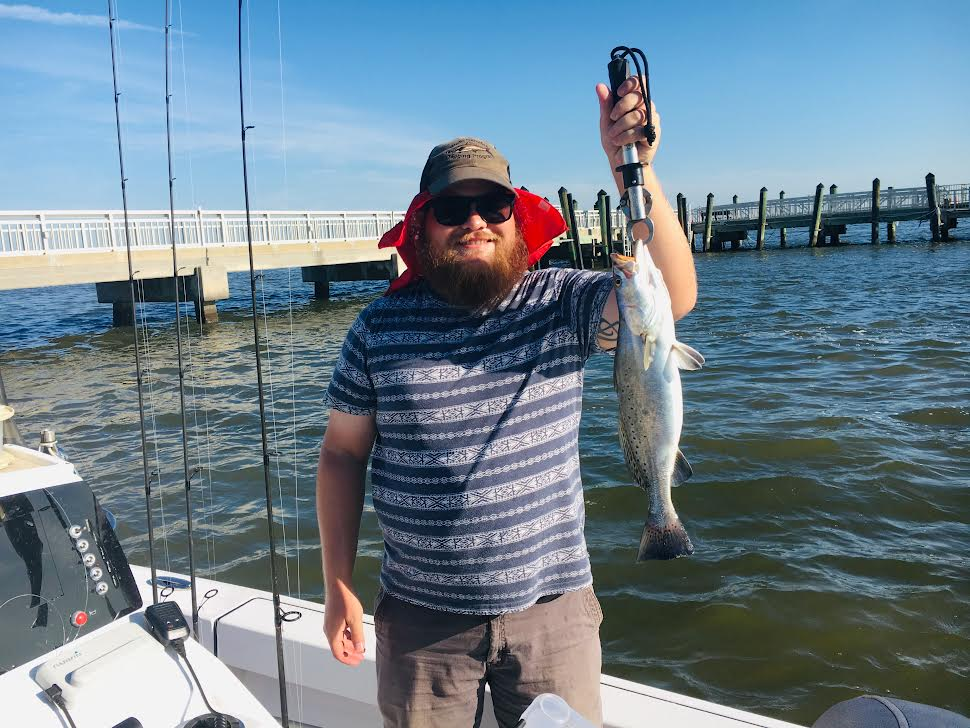
A half‑day float on the Asheville stretch of the French Broad is one of the best ways to experience Western North Carolina warmwater fishing without committing to a full day. This sample recap shows what a typical trip looks like with Freddie’s Fishing and how we approach the water, what techniques we focus on, and what you can expect to learn along the way.
Quick takeaway: If you want a mix of sightseeing, accessible launch points, and strong smallmouth potential, Asheville’s French Broad is hard to beat, especially early and late in the day during the warmer months.
Trip Snapshot
- Trip type: Half‑Day Guided Float (4 hours)
- Water: French Broad River Asheville & Riverfront stretch
- Target species: Smallmouth bass (plus sunfish and the occasional catfish)
- Best window: Early morning or evening when conditions allow
- Skill level: Beginner-friendly (great for first-time river anglers)
What we practiced today:
- Casting to structure (eddies, seams, bridge pilings)
- Reading current speed changes and “holding water”
- Basic lure/fly selection for warmwater river fish
- Safe boat positioning and landing fish efficiently
Conditions & Game Plan
The Asheville stretch is highly accessible, which makes it ideal for visitors and locals. Even on a shorter outing, we can cover productive water by focusing on structure and current breaks rather than simply “drifting and hoping.”
Our approach:
- Start by identifying obvious current seams and eddies.
- Work high-percentage targets (rock points, shade lines, bridge structure).
- Adjust presentation speed until fish respond consistently.
Why this works: Smallmouth often hold where they can feed without spending much energy anywhere current brings food past a predictable lane.
Techniques We Used (and Why)
1) Topwater (when the timing is right)
When the surface bite is on, it’s one of the most exciting ways to fish the French Broad. The key is patience—let the lure work and pause long enough to trigger a strike.
Beginner tip: Cast past the target and bring the lure through the “strike zone,” not just to it.
2) Streamers / Moving Baits Along Current Edges
When fish weren’t committing to topwater, we switched to a subsurface moving presentation. Working the edges of current seams often produced better follow-through strikes.
Coaching focus: Keeping the retrieve steady and feeling the difference between current pressure and an actual hit.
3) Targeting Eddies and Soft Water
A lot of successful French Broad fishing comes down to fishing “soft water” near “fast water.” We spent time learning where fish sit and how to approach those spots quietly.
What You’ll Learn on This Trip
Even if the fishing is slow (it happens sometimes), the trip is structured so you leave with skills you can reuse on any river:
- How to identify seams, eddies, and feeding lanes
- When to fish shallow structure vs. deeper runs
- How to vary retrieve speed and depth
- Safer wading/boat habits and river awareness
Recommended Gear
You don’t need complicated equipment to get started.
A basic, effective warmwater river setup:
- Medium spinning rod or a standard fly setup (depending on trip plan)
- A couple of confidence presentations (topwater + subsurface)
- Polarized sunglasses (huge help for reading water)
Book This Exact Trip
If you’d like a half‑day Asheville float focused on smallmouth bass and beginner-friendly instruction, please get in touch.
Before you book: If you have a preferred timeframe (morning vs evening), include it in your message. The best bite windows often depend on season, weather, and river level.